


Daily Current Affairs, News Headlines 16.09.2026 National Updates India, China agrees to be sensitive towards each other’s core concerns during PM Modi and President Xi Jinping meeting. The Finance Ministry clarified that there will be no charges at all for person-to-person (P2P) UPI transactions, irrespective of the amount transferred. Chief Ministers of Six States signed Read more…
Vocabulary For All Competitive Exams 16.09.2026 SATISFACTORY (ADJECTIVE): (संतोषजनक): adequate Synonyms: all right, acceptable Antonyms: unsatisfactory Example Sentence: He did not get a satisfactory reply. VEHEMENCE (NOUN): (जुनून): passion Synonyms: force, ardour Antonyms: apathy Example Sentence: There was a lot of vehemence in his reaction. BLISTERING (ADJECTIVE): (बर्बर): savage Synonyms: vicious, fierce Antonyms: mild Read more…
Hindi News Update for Tuesday, September 15, 2026 मंगलवार, 15 सितंबर 2026 के मुख्य समाचार 🔶TMC के 20 बागी सांसदों में से 17 जॉइन करेंगे बीजेपी, 3 NCPI का करेंगे समर्थन 🔶हमले में क्षतिग्रस्त सऊदी की तेल पाइपलाइन डैमेज, अब कई हफ्ते तक रहेगी बंद 🔶वियना ने परमाणु बैठक में वरिष्ठ ईरानी अधिकारी की एंट्री Read more…
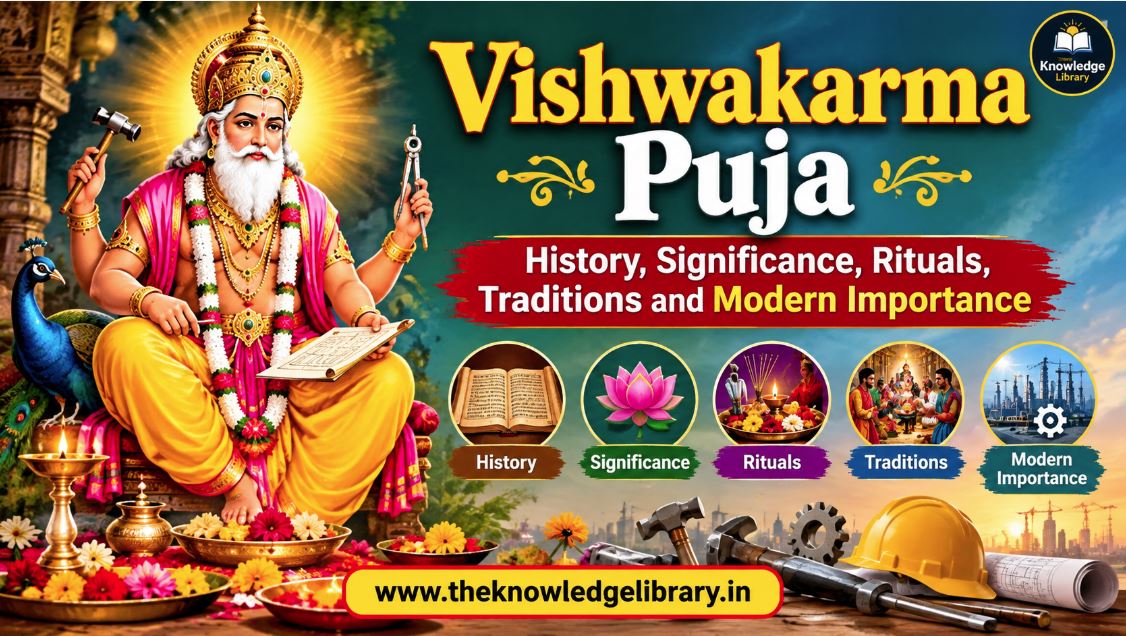
Vishwakarma Puja: History, Significance, Rituals, Traditions and Modern Importance Vishwakarma Puja is an important Hindu observance dedicated to Lord Vishwakarma, traditionally revered as the divine architect, craftsman, engineer, and creator of extraordinary structures and instruments. The festival has a special place in Indian culture because it connects spirituality with craftsmanship, technology, creativity, engineering, and the Read more…

MCQ Quiz on World Ozone Day MCQ Quiz on World Ozone Day (BRICS) Also Read:World Ozone Day
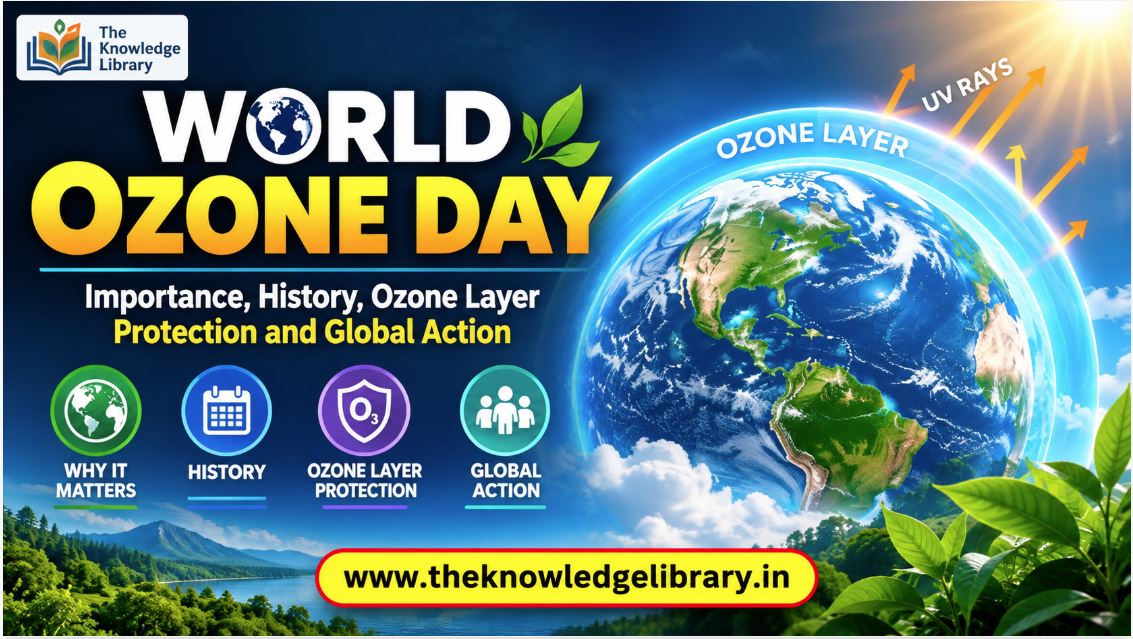
World Ozone Day: Importance, History, Ozone Layer Protection and Global Action World Ozone Day is observed every year on 16 September to raise awareness about the importance of the ozone layer and the need to protect it from harmful chemicals and environmental pressures. Officially known as the International Day for the Preservation of the Ozone Read more…

Battle of Chawinda: The 1965 Tank Battle That Shaped the Sialkot Front The Battle of Chawinda was one of the most important armoured engagements of the 1965 Indo-Pakistani War. Fought in the Sialkot sector of Punjab, Pakistan, the confrontation brought large Indian and Pakistani armoured and infantry formations into direct combat. The fighting around Chawinda Read more…
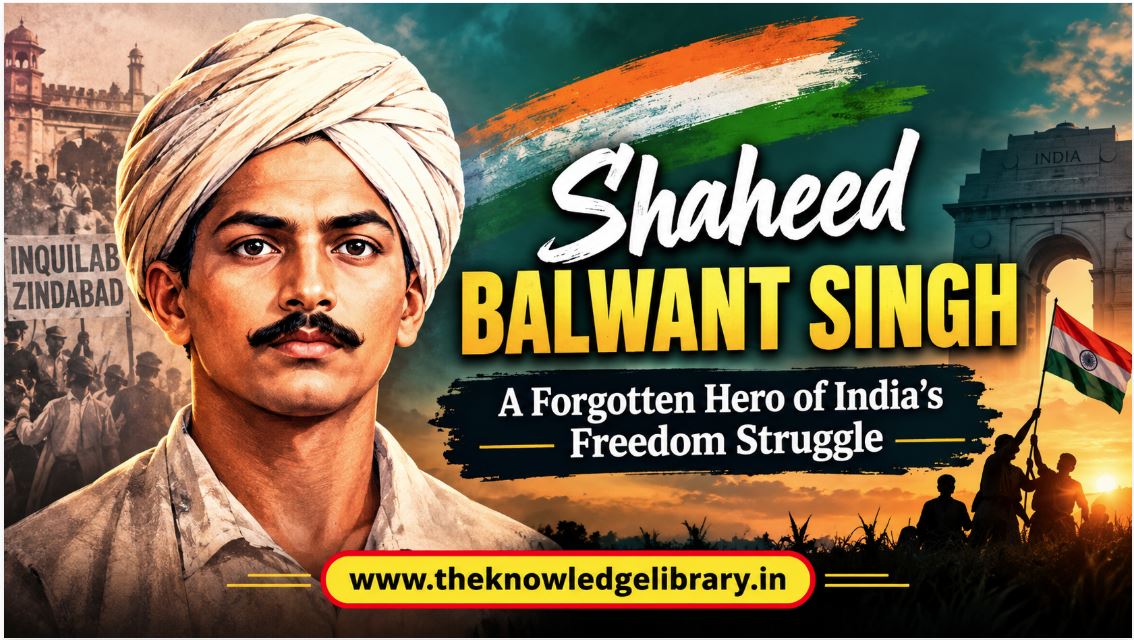
Shaheed Balwant Singh: A Forgotten Hero of India’s Freedom Struggle India’s freedom movement was shaped not only by famous national leaders but also by hundreds of revolutionaries whose sacrifices remained comparatively less known. Among these courageous figures was Shaheed Balwant Singh, remembered in historical and community accounts as Bhai Balwant Singh Canadian of Khurdpur. He Read more…
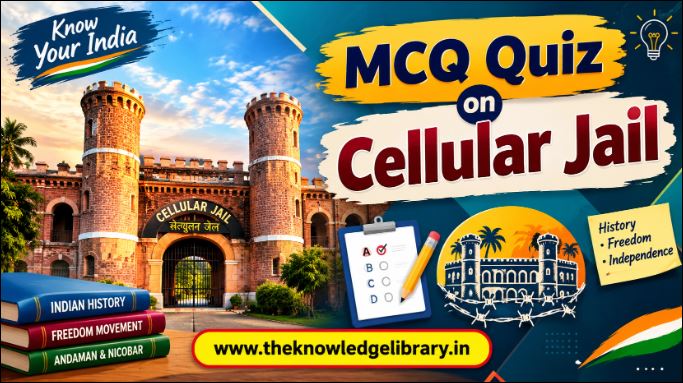
MCQ Quiz on Monuments of India: Cellular Jail MCQ Quiz on Monuments of India: Cellular Jail Also Read: MCQ Quiz on Rani ki Vav
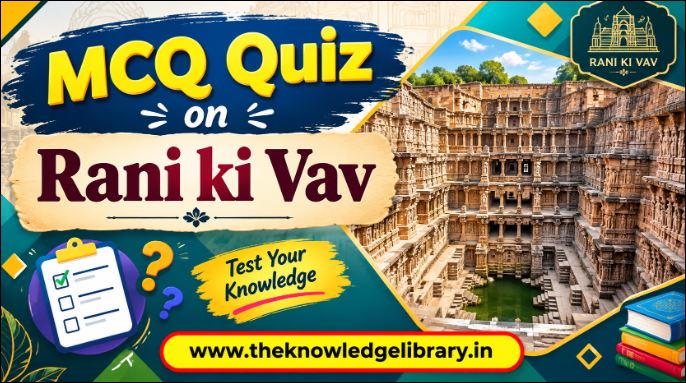
MCQ Quiz on Monuments of India: Rani ki Vav MCQ Quiz on Monuments of India: Rani ki Vav Also Read: MCQ Quiz on Kumbhalgarh Fort