


Daily Current Affairs, News Headlines 13.10.2026 National Updates President Droupadi Murmu has appointed Governors in six States. Om Prakash Mathur, who is the Governor of Sikkim, will now be the new Governor of Keralam. Rajendra Vishwanath Arlekar, the Governor of Keralam has now been appointed as the Governor of Tamil Nadu. The meeting of the Read more…
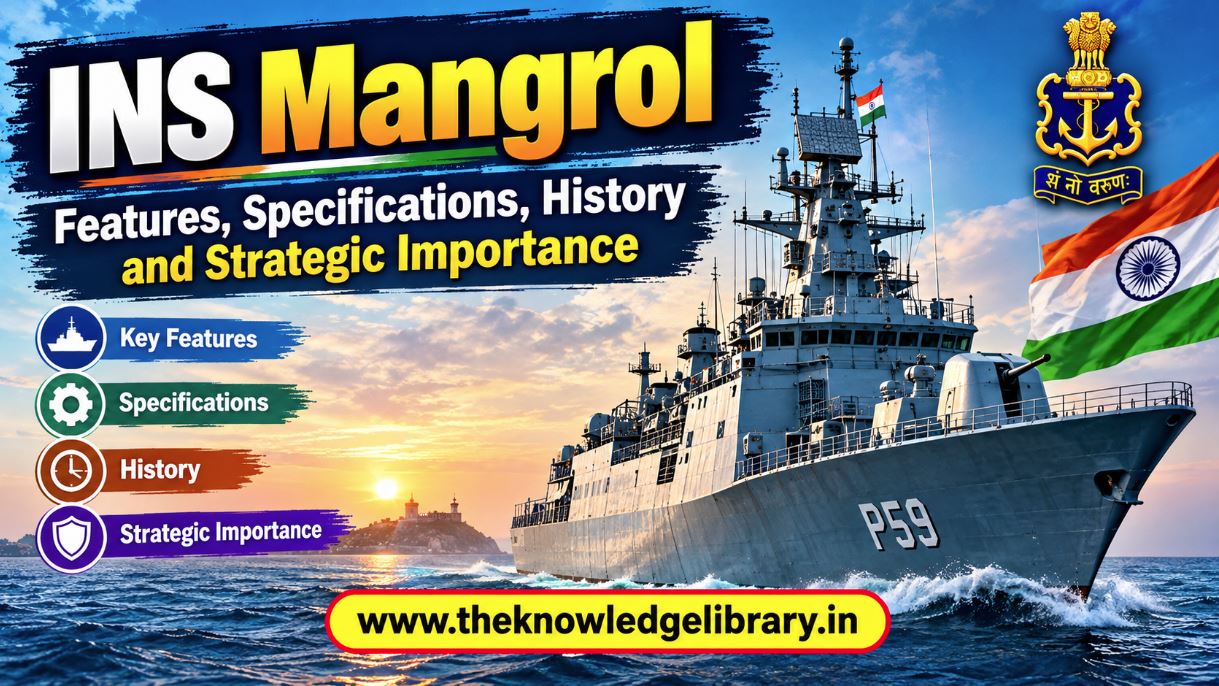
INS Mangrol: Features, Specifications, History and Strategic Importance Introduction to INS Mangrol INS Mangrol is an indigenous anti-submarine warfare shallow water craft developed for the Indian Navy to strengthen maritime security along India’s coastline. Commissioned on 12 October 2026, the vessel represents an important development in India’s efforts to modernise its naval fleet, improve underwater Read more…
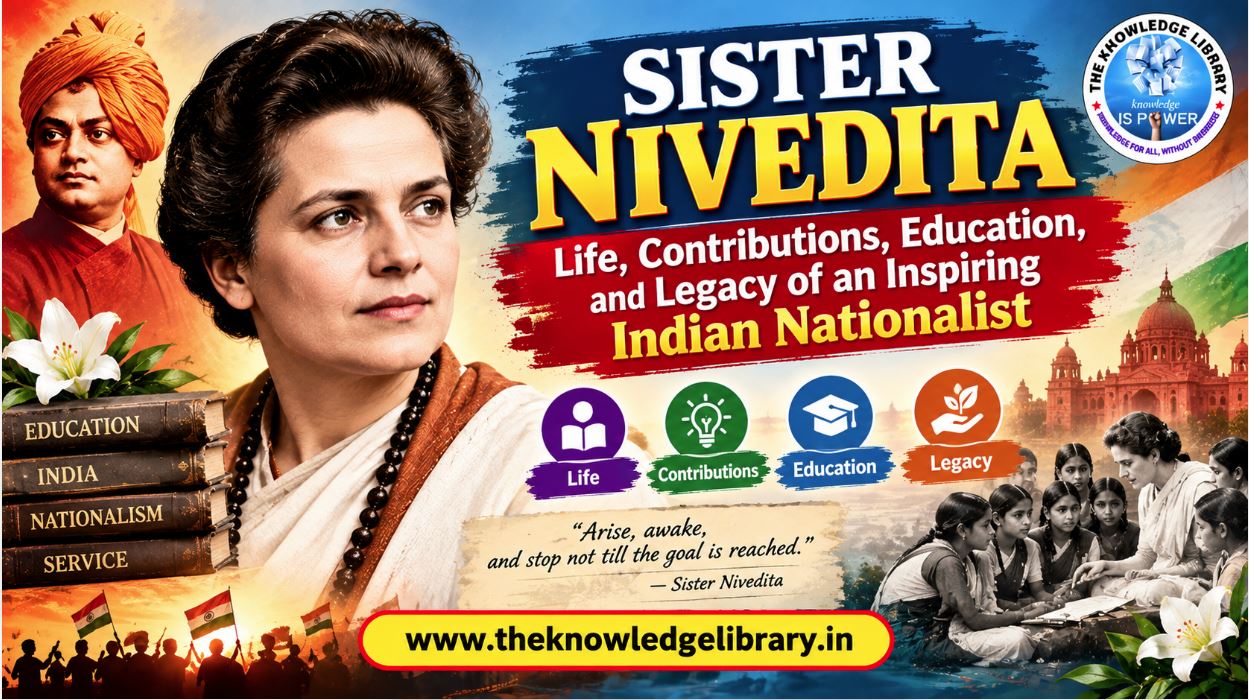
Sister Nivedita: Life, Contributions, Education, and Legacy of an Inspiring Indian Nationalist Introduction: Who Was Sister Nivedita? Sister Nivedita was an Irish-born educator, writer, social reformer, and dedicated supporter of India’s cultural and national awakening. Born as Margaret Elizabeth Noble on October 28, 1867, she became one of the most influential disciples of Swami Vivekananda. Read more…

Ashok Kumar: The Legendary Actor Who Transformed Indian Cinema Introduction: The Extraordinary Journey of Ashok Kumar Ashok Kumar remains one of the most respected names in the history of Indian cinema. Known for his natural acting style, remarkable versatility, and contribution to the development of Hindi films, he helped shape the identity of the Indian Read more…
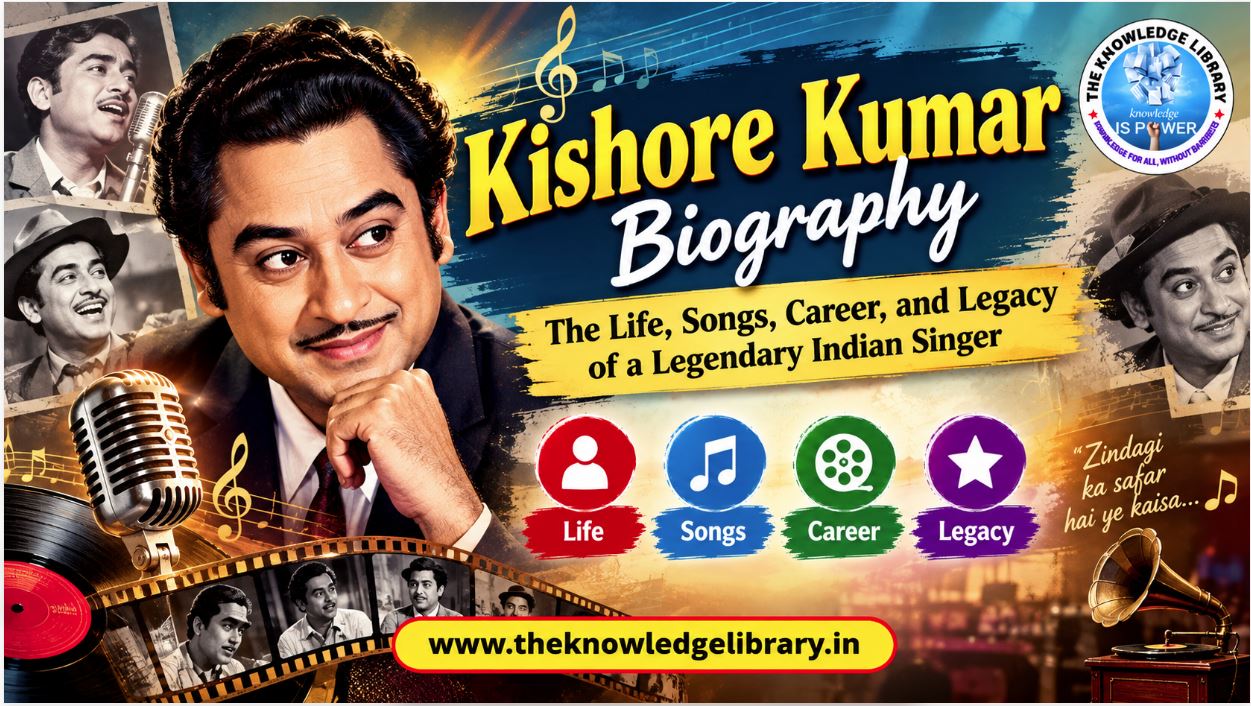
Kishore Kumar Biography: The Life, Songs, Career, and Legacy of a Legendary Indian Singer Introduction: The Timeless Voice of Indian Music Kishore Kumar was one of the most celebrated playback singers in Indian cinema. Known for his expressive voice, remarkable versatility, natural sense of rhythm, and distinctive yodelling, he created a musical legacy that continues Read more…
Hindi News Update for Monday, October 12, 2026 सोमवार, 12 अक्टूबर 2026 के मुख्य समाचार 🔶रियाद एयरपोर्ट पर हूती विद्रोहियों के हमले से मचा हड़कंप, 12 लोगों की मौ’त, 300 से अधिक घायल; उड़ानें रद्द 🔶सऊदी-पाकिस्तान रक्षा समझौते से भड़का ईरान; बोला- यमन में हस्तक्षेप बंद करो… 🔶’वोट चोरी’ के मुद्दे पर INDIA गठबंधन को Read more…
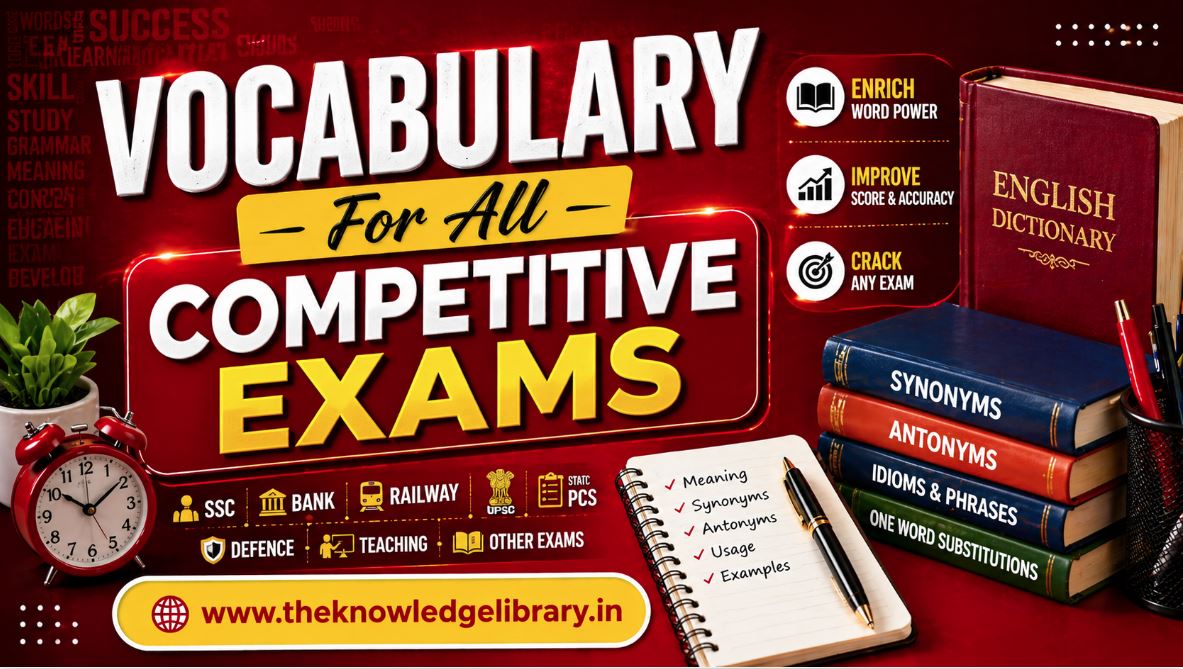
Vocabulary For All Competitive Exams 13.10.2026 INTENDED(ADJECTIVE): (योजनाबद्ध): deliberate Synonyms: intentional, calculated Antonyms: accidental Example Sentence: The intended victim escaped from the jail. TRIGGER (VERB) : (सक्रिय करना): activate Synonyms: set off, trip Antonyms: halt Example Sentence: Burglars fled empty-handed after triggering the alarm. VIVID (ADJECTIVE): (उज्ज्वल): graphic Synonyms: evocative, realistic Antonyms: vague Example Sentence: Read more…
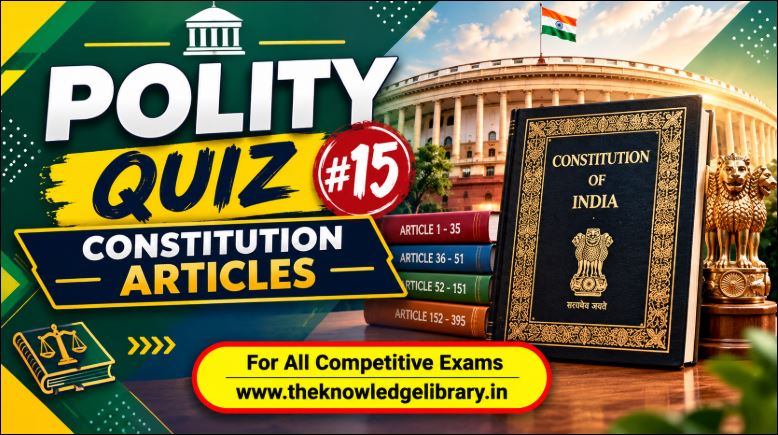
MCQ Quiz on Constitution Articles #15 MCQ Quiz on Constitution Articles #15 Also Read: MCQ Quiz on Directive Principles of State Policy #14
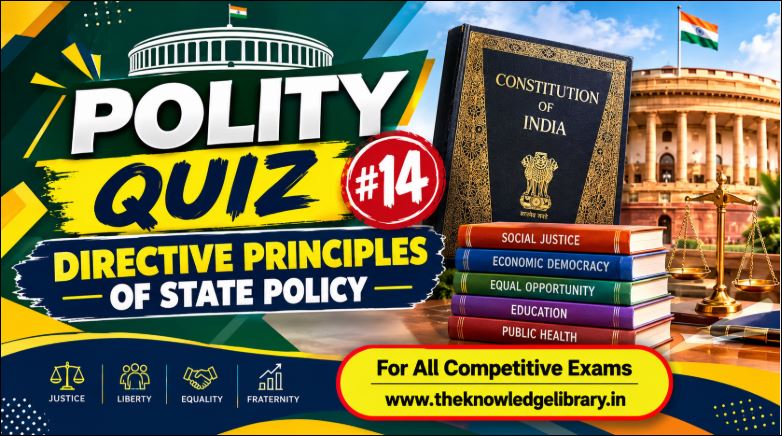
MCQ Quiz on Directive Principles of State Policy #14 MCQ Quiz on Directive Principles of State Policy #14 Also Read: MCQ Quiz on President #13
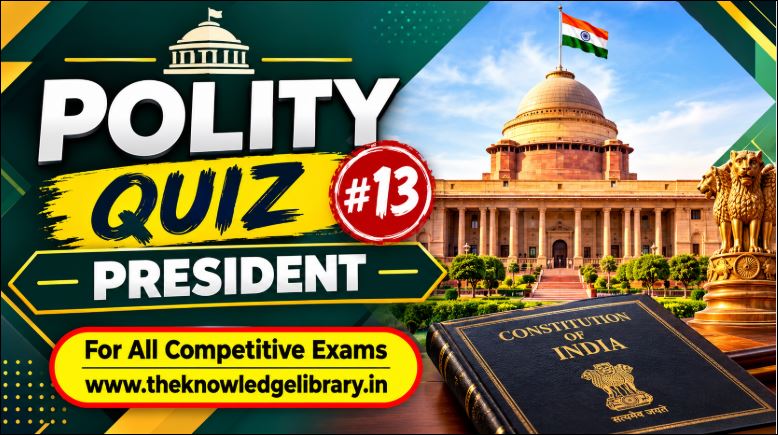
MCQ Quiz on President #13 MCQ Quiz on President #13 Also Read: MCQ Quiz on Supreme Court #12