


Latest Post -:

MCQ Quiz on Homophones🌸Vocabulary For All Competitive Exams | 23.06.2026🌸Daily Current Affairs, News Headlines 23.06.2026🌸Vocabulary For All Competitive Exams | 22.06.2026🌸Daily Current Affairs, News Headlines 22.06.2026🌸Mastering English Grammar: A Complete Guide to Collocations with HAVE🌸Mastering English Grammar: A Complete Guide to All 12 Tenses🌸Types of Verbs in English Grammar: A Complete Guide to Understanding Verbs and Their Functions🌸Common Collocations with TAKE: A Complete Guide to Using “Take” Naturally in English🌸Modal Verbs in English Grammar: A Complete Guide to Meaning, Types, Uses, Rules, and Examples🌸Vocabulary For All Competitive Exams | 21.06.2026🌸Daily Current Affairs, News Headlines 21.06.2026🌸Prepositions of Movement in English Grammar: A Complete Guide to Meaning, Usage, Rules, Examples, and Common Mistakes🌸Homophones in English Grammar: A Complete Guide to Understanding, Using, and Mastering Similar-Sounding Words🌸Figures of Speech in English Grammar: A Complete Guide to Understanding, Types, Examples, and Importance🌸Historical Background of Assam: A Complete Journey Through the Land’s Rich Past🌸Historical Background of West Bengal: From Ancient Civilizations to Modern Statehood🌸Paschimbanga Divas (West Bengal Day): History, Significance, Cultural Heritage and Contemporary Relevance🌸International Yoga Day : History, Significance, Theme, Benefits, Global Impact, and Future Prospects🌸Vocabulary For All Competitive Exams | 20.06.2026

“The Knowledge Library”

Knowledge for All, without Barriers…


An Initiative by: Kausik Chakraborty.
MCQ Quiz on Homophones🌸Vocabulary For All Competitive Exams | 23.06.2026🌸Daily Current Affairs, News Headlines 23.06.2026🌸Vocabulary For All Competitive Exams | 22.06.2026🌸Daily Current Affairs, News Headlines 22.06.2026🌸Mastering English Grammar: A Complete Guide to Collocations with HAVE🌸Mastering English Grammar: A Complete Guide to All 12 Tenses🌸Types of Verbs in English Grammar: A Complete Guide to Understanding Verbs and Their Functions🌸Common Collocations with TAKE: A Complete Guide to Using “Take” Naturally in English🌸Modal Verbs in English Grammar: A Complete Guide to Meaning, Types, Uses, Rules, and Examples🌸Vocabulary For All Competitive Exams | 21.06.2026🌸Daily Current Affairs, News Headlines 21.06.2026🌸Prepositions of Movement in English Grammar: A Complete Guide to Meaning, Usage, Rules, Examples, and Common Mistakes🌸Homophones in English Grammar: A Complete Guide to Understanding, Using, and Mastering Similar-Sounding Words🌸Figures of Speech in English Grammar: A Complete Guide to Understanding, Types, Examples, and Importance🌸Historical Background of Assam: A Complete Journey Through the Land’s Rich Past🌸Historical Background of West Bengal: From Ancient Civilizations to Modern Statehood🌸Paschimbanga Divas (West Bengal Day): History, Significance, Cultural Heritage and Contemporary Relevance🌸International Yoga Day : History, Significance, Theme, Benefits, Global Impact, and Future Prospects🌸Vocabulary For All Competitive Exams | 20.06.2026

“The Knowledge Library”

Knowledge for All, without Barriers……….
An Initiative by: Kausik Chakraborty.

The Knowledge Library

Facts about Eid ul-Fitr

1. Eid is celebrated after a month of fasting called Ramadan

Muslims celebrate Eid ul-Fitr after a month of fasting known as Ramadan. During Ramadan healthy adult Muslims don’t eat or drink from dawn to dusk. At the end of this month the festival Eid ul-Fitr begins.

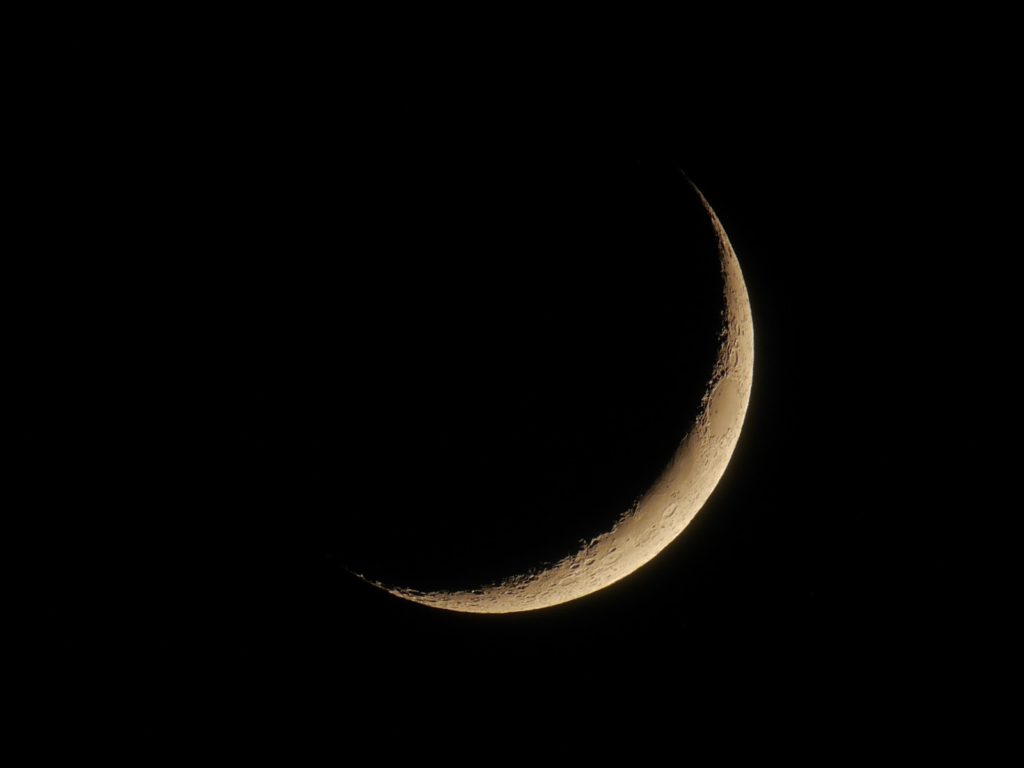
2. The date Eid is celebrated is based on the Moon

The Eid date is usually declared on the 29th day of the previous month when the moon is a present. However, if the Moon cannot be seen then Eid is celebrated on the following day.
crescent moon

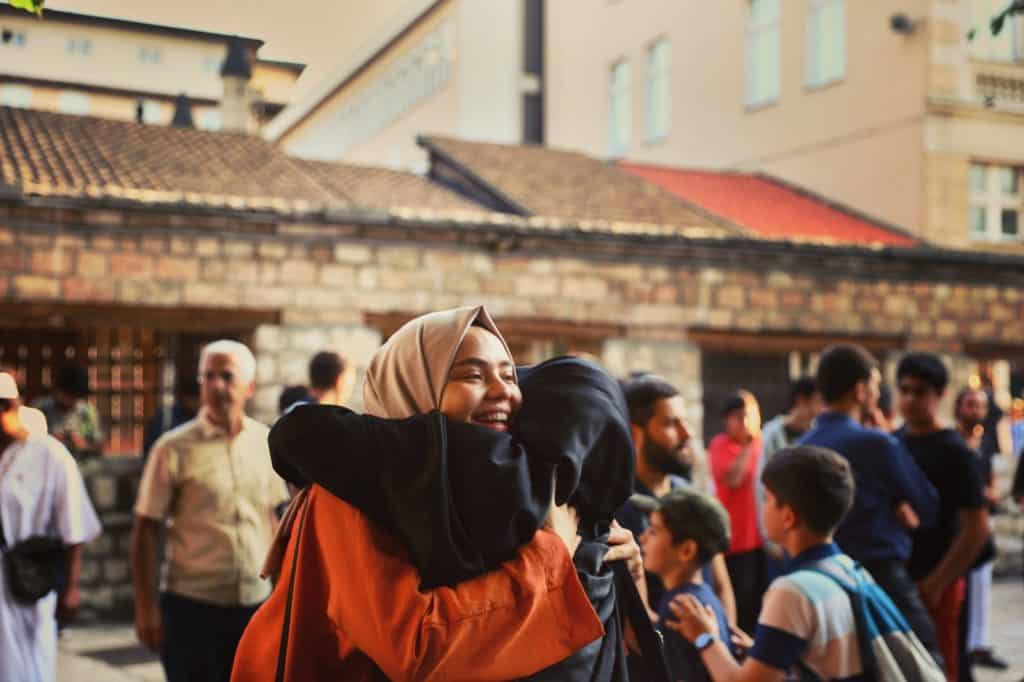
3. Eid ul-Fitr lasts 3 days

During the 3 days Muslims will visit their family, eat special foods and give children gifts and money.
man in orange and black hoodie covering his face with his hand

4. Eid means festival in Arabic

Eid can be translated as festival or feast. It is called this because it marks the end of the fast of Ramadan with food and festivities.

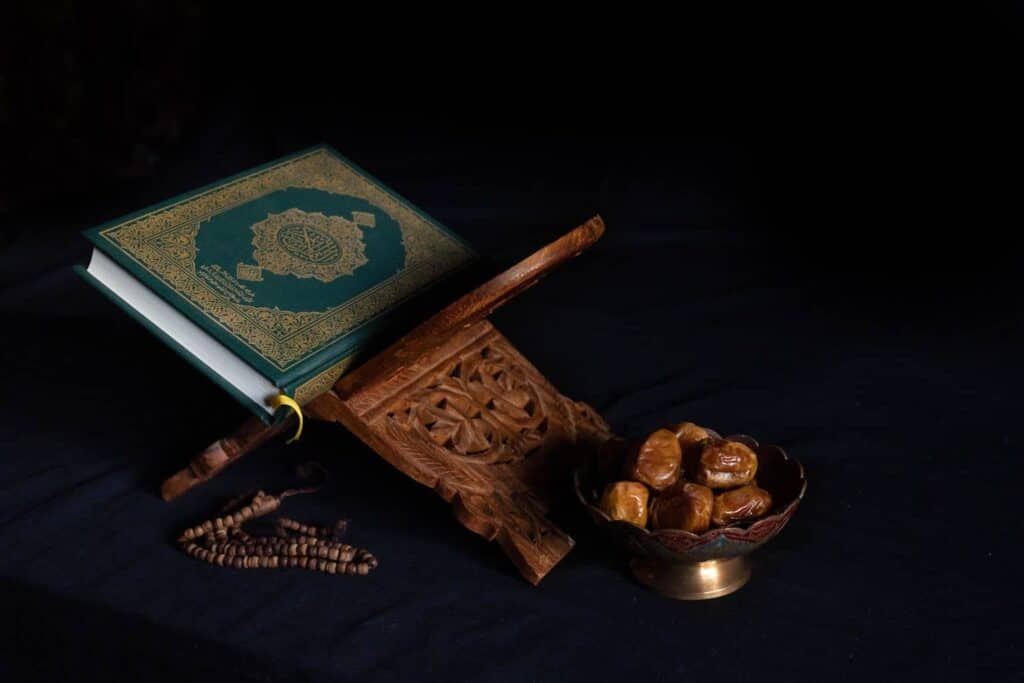
5. Eid traditions include eating dates

Like many religious festivals Eid has its own traditions. These include eating dates and going to the Mosque for prayers. After praying at the Mosque it is a tradition to take a different route home to the one you took there – this is so you can spread your joy to more people.
blue book beside brown wooden stick

6. Eid is celebrated by 1.8 billion people

It is estimated that more than 1.8 billion Muslims celebrate Eid each year making it one of the biggest religious festivals in the world.

7. Eid ul-Fitr is different to Eid ul-Adha

Eid is celebrated twice a year. The first Eid is Eid ul-Fitr which we are talking about in this Top 10 Facts. The second is Eid ul-Adha which is celebrated at the end of the Muslim pilgrimage to Mecca.

Also Read  Makar Sankranti Important & Unknown Questions and Answers

8. The history of Eid goes back to the prophet Muhammad

In the Quran it is written that Muhammed got his first revelation during ramadan. When he arrived in Mecca after the revelation people were celebrated with feasts, this became Eid ul-Fitr.

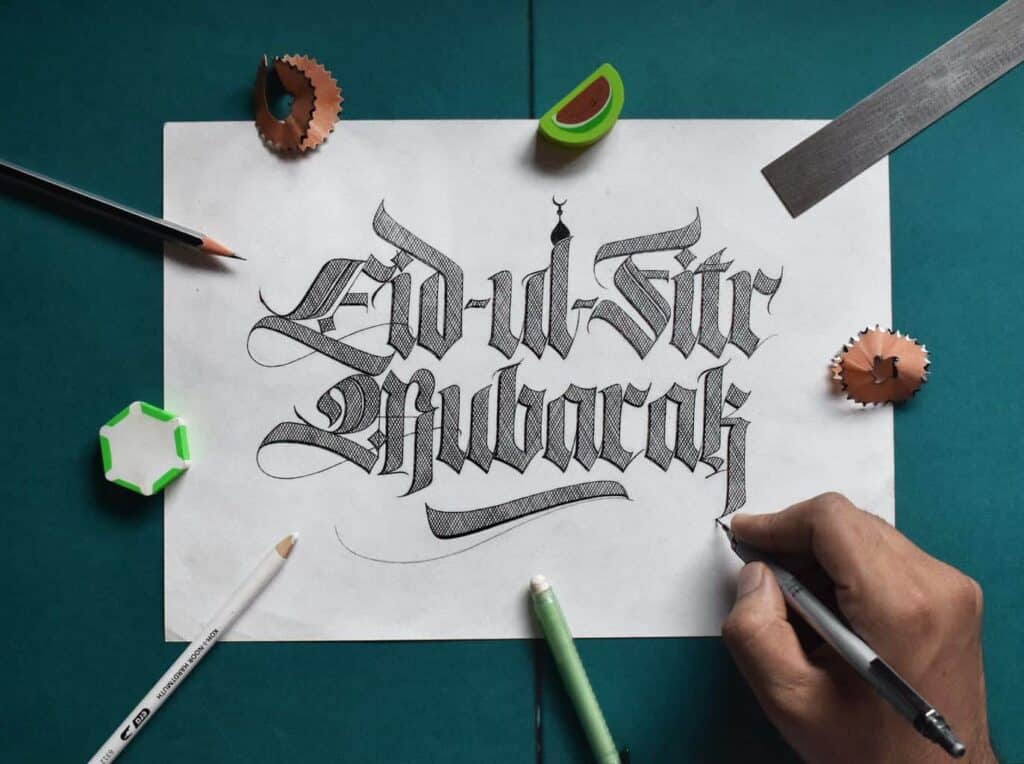
9. People greet each other during Eid by saying Eid Mubarak

Eid Mubarak means ‘Happy Eid’ or ‘Blessed Eid’.
person writing on white paper

10. Eid ul-Fitr is known by different names all over the world

You will see Eid ul-Fitr also spelt Eid al-Fitr but did you know that it is also known as different things in different languages. It is called ‘Ramazan Bairami’ in Azerbaijan, ‘Lebaran’ in Indonesia, ‘Korite’ in Senegal, ‘Hari Raya Puasa’ in Malaysia.

Sign up to Receive Awesome Content in your Inbox, Frequently.

We don’t Spam!
Thank You for your Valuable Time

Share this post

error: Content is protected !!