

All About Thyroid: A Complete Guide to the Thyroid Gland, Disorders, and Care
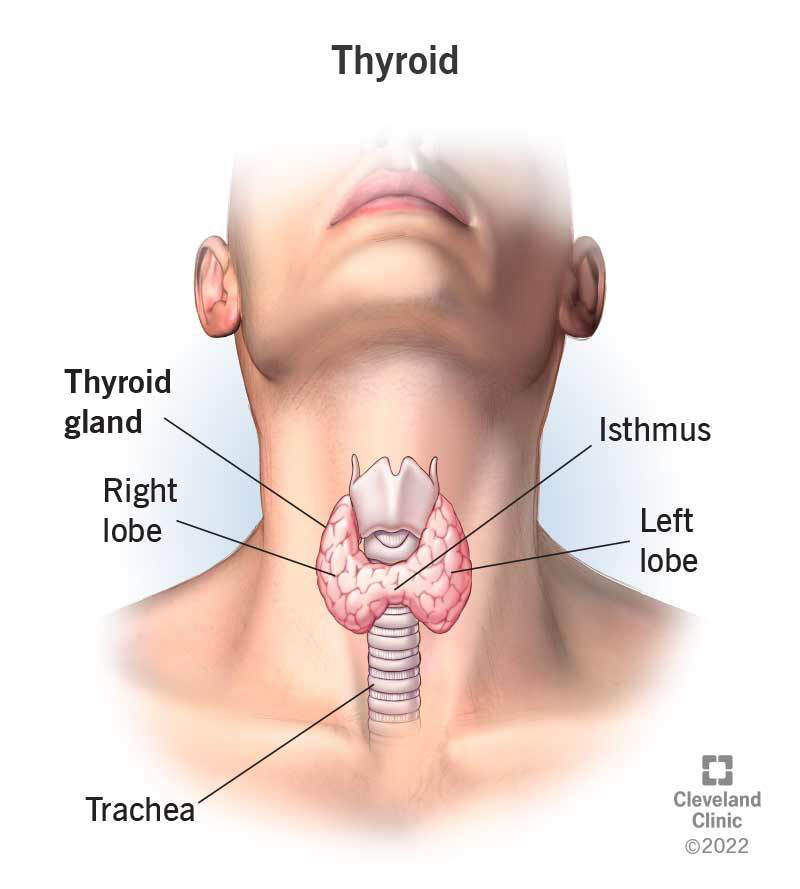
The thyroid gland is a small, butterfly-shaped organ located at the base of the neck, just below the Adam’s apple. Despite its modest size, it plays a central role in regulating many vital processes in the human body. From controlling metabolism and energy production to influencing heart rate, digestion, mood, and body temperature, this gland acts as a master regulator through the hormones it produces. When it functions properly, most people rarely think about it. However, when its balance is disturbed, the effects can be widespread and sometimes serious.
This comprehensive guide explains everything you need to know about the thyroid gland, including its structure, hormone production, common disorders, symptoms, diagnosis, treatment options, prevention strategies, and frequently asked questions. The aim is to provide clear, medically accurate, and accessible information for students, general readers, and anyone seeking a deeper understanding of this essential endocrine organ.
Understanding the Structure and Function of the Thyroid Gland
The thyroid gland is part of the endocrine system, which consists of organs that produce hormones and release them directly into the bloodstream. Anatomically, it has two lobes connected by a thin tissue bridge called the isthmus. It sits in front of the trachea and wraps around it slightly.
The gland produces two primary hormones: thyroxine (T4) and triiodothyronine (T3). These hormones contain iodine and are responsible for regulating the body’s metabolic rate. T4 is produced in greater quantities, but T3 is the more biologically active form. In addition to these, the thyroid also produces calcitonin, a hormone involved in calcium regulation, although its role in adults is relatively limited compared to T3 and T4.
The production of thyroid hormones is regulated by a feedback system involving the hypothalamus and the pituitary gland in the brain. The hypothalamus releases thyrotropin-releasing hormone (TRH), which signals the pituitary gland to produce thyroid-stimulating hormone (TSH). TSH then stimulates the thyroid to release T3 and T4. When hormone levels in the blood are sufficient, the brain reduces TRH and TSH production, maintaining balance through negative feedback.
Common Thyroid Disorders and Their Causes
Disorders of the thyroid gland are relatively common and can affect people of all ages, although women are more frequently diagnosed than men. These conditions generally fall into two broad categories: overactivity and underactivity.
Hyperthyroidism occurs when the gland produces excessive amounts of thyroid hormones. This condition accelerates the body’s metabolism and can lead to symptoms such as rapid heartbeat, unexplained weight loss, anxiety, heat intolerance, and tremors. One of the most common causes of hyperthyroidism is Graves’ disease, an autoimmune disorder in which the immune system stimulates the gland to produce too much hormone.
Hypothyroidism, on the other hand, results from insufficient hormone production. This slows down metabolic processes and can cause fatigue, weight gain, cold intolerance, dry skin, depression, and slowed heart rate. A leading cause of hypothyroidism is Hashimoto’s thyroiditis, another autoimmune condition in which the immune system gradually damages thyroid tissue.
Other conditions include goiter, which refers to an enlarged thyroid gland; thyroid nodules, which are abnormal growths within the gland; and thyroid cancer. Nodules are common and often benign, but some may require evaluation to rule out malignancy. Thyroid cancer, while relatively uncommon compared to other cancers, is generally treatable when detected early.
Signs and Symptoms of Thyroid Imbalance
Symptoms of thyroid dysfunction can vary widely depending on whether hormone levels are too high or too low. Because these hormones influence nearly every organ system, the clinical presentation can be complex.
In hyperthyroidism, the body enters a hypermetabolic state. Patients may experience increased appetite accompanied by weight loss, sweating, nervousness, irritability, and sleep disturbances. Cardiovascular symptoms such as palpitations and atrial fibrillation can also occur, particularly in older adults. Some individuals may develop eye changes, especially in autoimmune forms like Graves’ disease.
In hypothyroidism, metabolic processes slow down. Individuals often report persistent tiredness, memory problems, constipation, menstrual irregularities, and a general feeling of sluggishness. The skin may become dry and coarse, and hair thinning is common. In severe cases, untreated hypothyroidism can lead to myxedema, a life-threatening condition requiring emergency care.
Because many of these symptoms overlap with other medical issues, laboratory testing is essential for accurate diagnosis.
Diagnostic Tests and Medical Evaluation
The diagnosis of thyroid disorders typically begins with a blood test measuring TSH levels. TSH is highly sensitive to changes in thyroid hormone levels, making it a reliable initial screening tool. If TSH is abnormal, further testing of free T4 and sometimes free T3 is performed to confirm the diagnosis and determine severity.
In cases of suspected autoimmune disease, antibody tests may be ordered. Imaging studies such as ultrasound are used to evaluate nodules or enlargement of the gland. A radioactive iodine uptake test may help determine the cause of hyperthyroidism by assessing how much iodine the gland absorbs.
Fine-needle aspiration biopsy is often performed for suspicious nodules to assess whether cancer cells are present. Early detection and accurate diagnosis significantly improve treatment outcomes.
Treatment Options for Thyroid Disorders
Treatment depends on the specific condition, its severity, patient age, and other health factors. For hypothyroidism, the standard treatment is hormone replacement therapy with levothyroxine, a synthetic form of T4. This medication restores normal hormone levels and usually needs to be taken for life. Regular monitoring ensures appropriate dosage adjustments.
Hyperthyroidism can be treated with antithyroid medications that reduce hormone production, radioactive iodine therapy that gradually destroys overactive thyroid tissue, or surgery to remove part or all of the gland. Each approach has advantages and risks, and treatment decisions are individualized.
Thyroid nodules that are benign may only require observation, while malignant nodules may require surgical removal, sometimes followed by radioactive iodine therapy. Long-term follow-up is essential for monitoring recurrence and maintaining hormone balance.
The Role of Iodine and Nutrition
Iodine is an essential mineral required for thyroid hormone synthesis. In many countries, iodine deficiency has been addressed through iodized salt programs. However, both deficiency and excess iodine intake can disrupt thyroid function.
A balanced diet that includes adequate iodine, selenium, and zinc supports optimal thyroid health. Selenium plays a role in converting T4 to T3, the active hormone. While supplements are sometimes marketed for thyroid support, excessive supplementation without medical supervision can be harmful.
Certain foods, known as goitrogens, can interfere with thyroid hormone production if consumed in very large amounts. These include raw cruciferous vegetables such as cabbage and broccoli. However, when eaten in normal dietary quantities and especially when cooked, they are generally safe and nutritious.
Thyroid Health Across Different Life Stages
Thyroid function is important at every stage of life. In newborns, adequate thyroid hormone levels are critical for brain development. Many countries conduct routine newborn screening to detect congenital hypothyroidism early, allowing prompt treatment.
During pregnancy, maternal thyroid hormones are essential for fetal growth and neurological development. Both underactive and overactive thyroid conditions during pregnancy can lead to complications if untreated. Careful monitoring and medication adjustments are often required.
In older adults, symptoms of thyroid disorders may be subtle or atypical. For example, hyperthyroidism in the elderly may present primarily with heart rhythm disturbances rather than classic symptoms like weight loss and tremors.
Living with a Thyroid Condition
With appropriate treatment and monitoring, most people with thyroid disorders can lead normal, healthy lives. Adherence to prescribed medication, regular follow-up testing, and awareness of symptom changes are key components of effective management.
Lifestyle factors such as stress reduction, balanced nutrition, and regular physical activity contribute to overall endocrine health. Patients are encouraged to maintain open communication with healthcare providers and to avoid self-adjusting medication doses without medical guidance.
Education plays a crucial role in empowering individuals to understand their condition and participate actively in their care.
Frequently Asked Questions
What does the thyroid gland do in the body?
The thyroid gland produces hormones that regulate metabolism, energy production, heart rate, body temperature, and many other vital processes.
What are the early signs of thyroid problems?
Early signs may include unexplained weight changes, fatigue, mood shifts, irregular heartbeat, and sensitivity to temperature changes.
Is thyroid disease hereditary?
Some thyroid disorders, especially autoimmune conditions like Graves’ disease and Hashimoto’s thyroiditis, can run in families.
Can thyroid problems be cured permanently?
Hypothyroidism usually requires lifelong hormone replacement, while some cases of hyperthyroidism can be cured with radioactive iodine or surgery.
How is thyroid cancer detected?
Thyroid cancer is typically detected through ultrasound imaging and confirmed with a fine-needle aspiration biopsy.
Does stress affect thyroid function?
Chronic stress can influence hormone regulation and may worsen symptoms in individuals with existing thyroid conditions.
Conclusion
The thyroid gland is a small but powerful organ that significantly influences overall health. Its hormones regulate metabolism, cardiovascular function, neurological development, and much more. Disorders affecting this gland are common but manageable with accurate diagnosis and appropriate treatment. Understanding symptoms, risk factors, and treatment options empowers individuals to seek timely medical care and maintain hormonal balance. With ongoing research and improved diagnostic tools, outcomes for people with thyroid disorders continue to improve.
थायरॉयड के बारे में पूरी जानकारी: संरचना, कार्य, रोग और उपचार
थायरॉयड ग्रंथि गर्दन के सामने, एडम्स एप्पल के ठीक नीचे स्थित एक छोटी, तितली के आकार की ग्रंथि है। आकार में छोटी होने के बावजूद यह शरीर की कई महत्वपूर्ण प्रक्रियाओं को नियंत्रित करती है। यह चयापचय (मेटाबॉलिज्म), ऊर्जा उत्पादन, हृदय गति, शरीर का तापमान, पाचन क्रिया और मानसिक स्थिति को प्रभावित करती है। जब यह ग्रंथि संतुलित रूप से कार्य करती है, तो व्यक्ति को इसकी मौजूदगी का अहसास भी नहीं होता। लेकिन जब इसके हार्मोन का संतुलन बिगड़ता है, तो पूरे शरीर पर व्यापक प्रभाव पड़ सकता है।
यह लेख थायरॉयड ग्रंथि की संरचना, हार्मोन उत्पादन, सामान्य रोग, लक्षण, जांच, उपचार, पोषण संबंधी पहलू और अक्सर पूछे जाने वाले प्रश्नों पर स्पष्ट और विस्तृत जानकारी प्रदान करता है।
थायरॉयड ग्रंथि की संरचना और कार्य
थायरॉयड ग्रंथि अंतःस्रावी तंत्र (एंडोक्राइन सिस्टम) का एक महत्वपूर्ण हिस्सा है। यह दो लोब से बनी होती है जो बीच में एक पतले हिस्से (इस्थमस) से जुड़े होते हैं। यह श्वासनली (ट्रेकिया) के सामने स्थित होती है।
यह मुख्य रूप से दो हार्मोन बनाती है: थायरॉक्सिन (T4) और ट्रायआयोडोथायरोनिन (T3)। इन हार्मोनों में आयोडीन होता है और ये शरीर की चयापचय दर को नियंत्रित करते हैं। T4 अधिक मात्रा में बनता है, जबकि T3 अधिक सक्रिय हार्मोन है। इसके अलावा, यह कैल्सीटोनिन नामक हार्मोन भी बनाती है, जो कैल्शियम संतुलन में सहायक होता है।
थायरॉयड हार्मोन का नियंत्रण मस्तिष्क में स्थित हाइपोथैलेमस और पिट्यूटरी ग्रंथि द्वारा किया जाता है। हाइपोथैलेमस TRH बनाता है, जो पिट्यूटरी को TSH बनाने के लिए प्रेरित करता है। TSH थायरॉयड ग्रंथि को T3 और T4 बनाने के लिए उत्तेजित करता है। यह एक नकारात्मक फीडबैक प्रणाली द्वारा नियंत्रित होता है।
थायरॉयड के सामान्य रोग
थायरॉयड से जुड़े रोग आम हैं और महिलाओं में अधिक पाए जाते हैं। ये मुख्यतः दो प्रकार के होते हैं: हार्मोन का अधिक बनना या कम बनना।
हाइपरथायरॉयडिज्म में ग्रंथि अत्यधिक हार्मोन बनाती है। इससे वजन कम होना, तेज हृदय गति, घबराहट, पसीना आना और अनिद्रा जैसे लक्षण दिखाई देते हैं। इसका एक प्रमुख कारण Graves’ disease है, जिसमें प्रतिरक्षा प्रणाली ग्रंथि को अधिक हार्मोन बनाने के लिए उत्तेजित करती है।
हाइपोथायरॉयडिज्म में हार्मोन का उत्पादन कम हो जाता है। इससे थकान, वजन बढ़ना, ठंड असहिष्णुता, कब्ज और अवसाद जैसे लक्षण उत्पन्न होते हैं। इसका प्रमुख कारण Hashimoto’s thyroiditis है, जिसमें प्रतिरक्षा प्रणाली धीरे-धीरे थायरॉयड ऊतक को नुकसान पहुंचाती है।
अन्य स्थितियों में घेंघा (गोइटर), थायरॉयड नोड्यूल और थायरॉयड कैंसर शामिल हैं। अधिकांश नोड्यूल सौम्य होते हैं, लेकिन जांच आवश्यक होती है।
थायरॉयड असंतुलन के लक्षण
लक्षण इस बात पर निर्भर करते हैं कि हार्मोन अधिक हैं या कम। हाइपरथायरॉयडिज्म में व्यक्ति को अधिक भूख के साथ वजन कम होना, चिड़चिड़ापन, हाथ कांपना और हृदय की धड़कन तेज होना महसूस हो सकता है। कुछ मामलों में आंखों में सूजन भी हो सकती है।
हाइपोथायरॉयडिज्म में लगातार थकान, त्वचा का सूखापन, बाल झड़ना, स्मृति कमजोरी और मासिक धर्म में अनियमितता देखी जाती है। गंभीर मामलों में मिक्सीडेमा जैसी स्थिति हो सकती है।
जांच और निदान
थायरॉयड रोग की जांच के लिए सबसे पहले TSH टेस्ट किया जाता है। यदि TSH असामान्य हो, तो T3 और T4 की जांच की जाती है। ऑटोइम्यून रोगों के लिए एंटीबॉडी परीक्षण किए जा सकते हैं।
अल्ट्रासाउंड द्वारा ग्रंथि की संरचना देखी जाती है। संदिग्ध नोड्यूल के लिए फाइन-नीडल एस्पिरेशन बायोप्सी की जाती है। सही समय पर जांच और निदान उपचार को प्रभावी बनाता है।
उपचार के विकल्प
हाइपोथायरॉयडिज्म में लेवोथायरॉक्सिन दवा दी जाती है, जो शरीर में हार्मोन की कमी को पूरा करती है। यह दवा आमतौर पर जीवनभर लेनी पड़ती है।
हाइपरथायरॉयडिज्म में दवाओं, रेडियोएक्टिव आयोडीन थेरेपी या सर्जरी का विकल्प होता है। उपचार रोग की गंभीरता और मरीज की स्थिति पर निर्भर करता है।
थायरॉयड कैंसर के मामलों में सर्जरी के बाद रेडियोएक्टिव आयोडीन थेरेपी दी जा सकती है। नियमित फॉलो-अप आवश्यक है।
आयोडीन और पोषण का महत्व
आयोडीन थायरॉयड हार्मोन निर्माण के लिए आवश्यक है। आयोडीन की कमी से घेंघा हो सकता है। आयोडीन युक्त नमक का उपयोग इस कमी को रोकने में सहायक है।
सेलेनियम और जिंक भी हार्मोन संतुलन में सहायक होते हैं। संतुलित आहार थायरॉयड स्वास्थ्य के लिए महत्वपूर्ण है। अत्यधिक सप्लीमेंट बिना चिकित्सकीय सलाह के नहीं लेने चाहिए।
विभिन्न आयु में थायरॉयड का महत्व
नवजात शिशुओं में थायरॉयड हार्मोन मस्तिष्क विकास के लिए आवश्यक हैं। गर्भावस्था में भी उचित हार्मोन स्तर आवश्यक होता है। वृद्धावस्था में लक्षण सामान्य से अलग हो सकते हैं, इसलिए नियमित जांच उपयोगी है।
अक्सर पूछे जाने वाले प्रश्न
थायरॉयड ग्रंथि का मुख्य कार्य क्या है?
यह शरीर की चयापचय दर और ऊर्जा संतुलन को नियंत्रित करती है।
थायरॉयड की समस्या के शुरुआती संकेत क्या हैं?
वजन में बदलाव, थकान, हृदय गति में परिवर्तन और मूड स्विंग शुरुआती संकेत हो सकते हैं।
क्या थायरॉयड रोग आनुवंशिक होते हैं?
कुछ ऑटोइम्यून थायरॉयड रोग परिवार में चल सकते हैं।
क्या थायरॉयड पूरी तरह ठीक हो सकता है?
हाइपोथायरॉयडिज्म में आजीवन दवा की आवश्यकता होती है, जबकि कुछ हाइपरथायरॉयडिज्म मामलों में स्थायी उपचार संभव है।
थायरॉयड कैंसर का पता कैसे चलता है?
अल्ट्रासाउंड और बायोप्सी के माध्यम से इसकी पुष्टि की जाती है।
क्या तनाव थायरॉयड को प्रभावित करता है?
दीर्घकालिक तनाव हार्मोन संतुलन को प्रभावित कर सकता है और लक्षणों को बढ़ा सकता है।
निष्कर्ष
थायरॉयड ग्रंथि शरीर के समग्र स्वास्थ्य में महत्वपूर्ण भूमिका निभाती है। इसके हार्मोन शरीर की ऊर्जा, तापमान और कई जैविक प्रक्रियाओं को नियंत्रित करते हैं। सही समय पर जांच, उचित उपचार और संतुलित जीवनशैली से अधिकांश थायरॉयड रोगों को प्रभावी रूप से नियंत्रित किया जा सकता है।